FY2026/27 Budget Review (Pre-Vote)
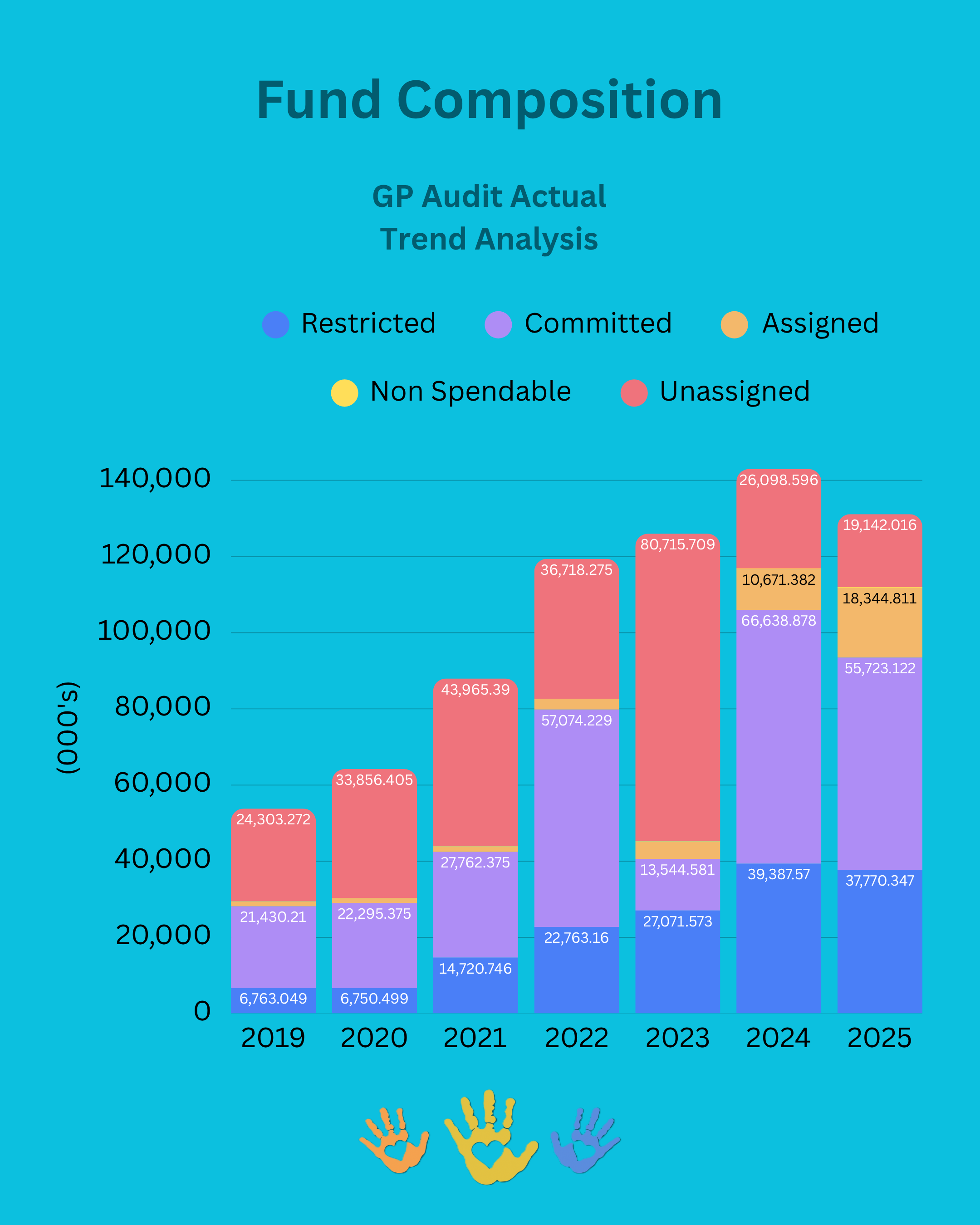
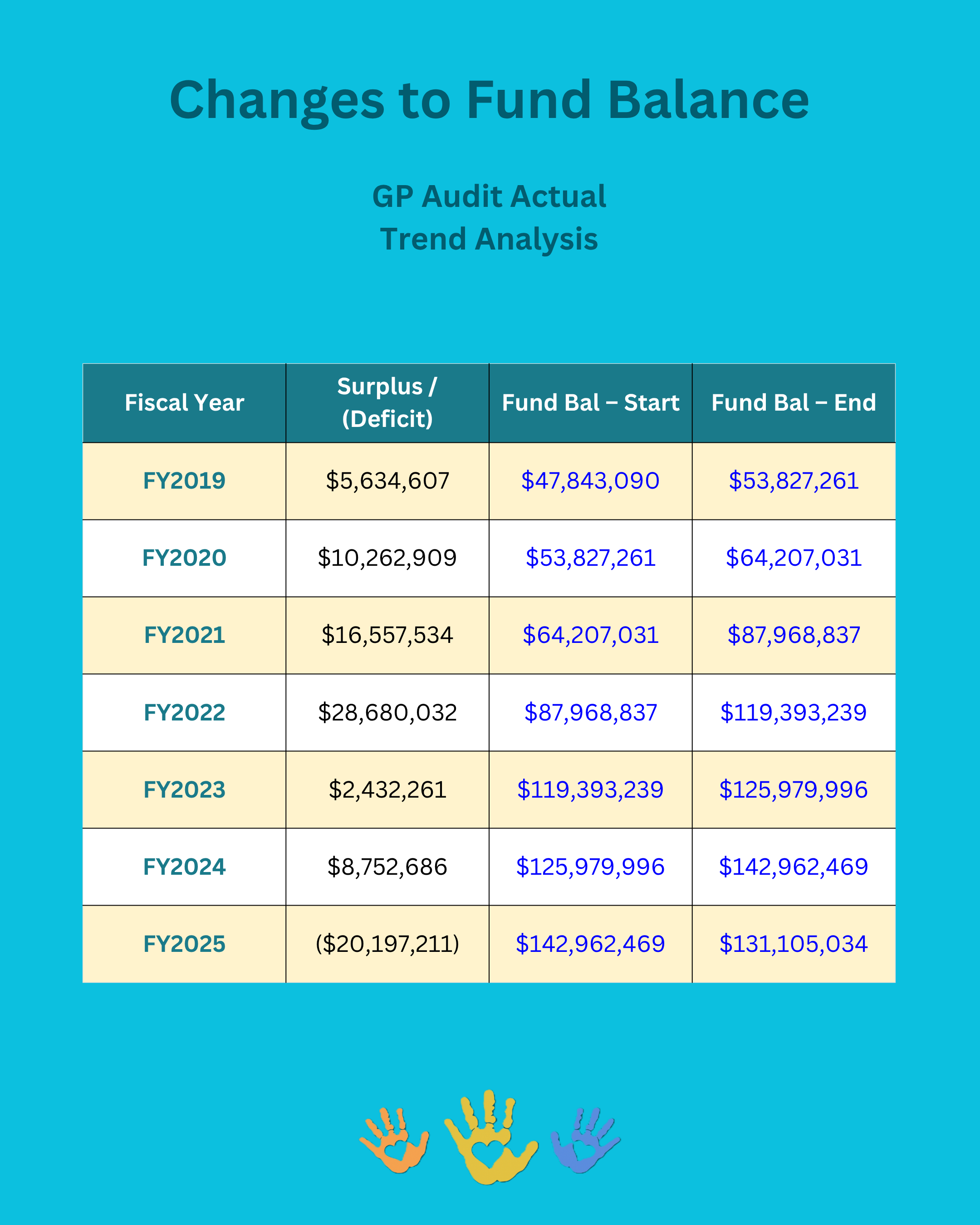
After reviewing the budget, below are some key takeaways for the upcoming 2026/27 fiscal year budget vote on Tuesday along with some trending analysis to help bring context into decisions being made in real time. I'll focus less on the fund balance since Allen already put together a solid reconciliation that ties to May's estimate v. 2025 audit. My analysis will only focus on the general purpose audits.
One quick item on the fund balance verbiage... unbudgeted just means it wasn't proposed to be used in the 2026/27 budget ($418 million figure). It is not an interchangeable term with unassigned as suggested in the meeting. It is the remaining unassigned balance after what the 2026/27 budget requests to be allowed to spend during the upcoming year. Happy to walk through this further, if requested.
Key takeaways:
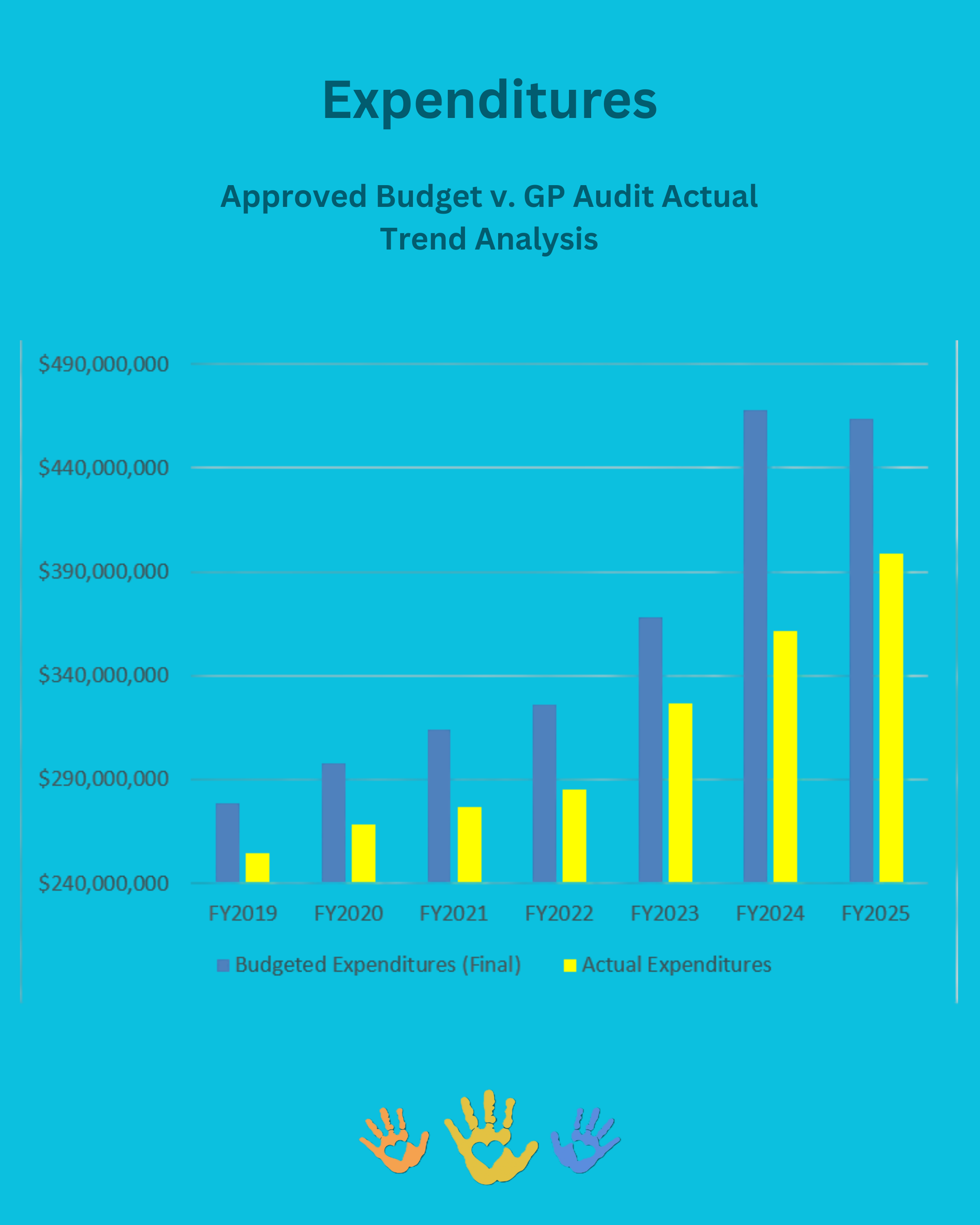
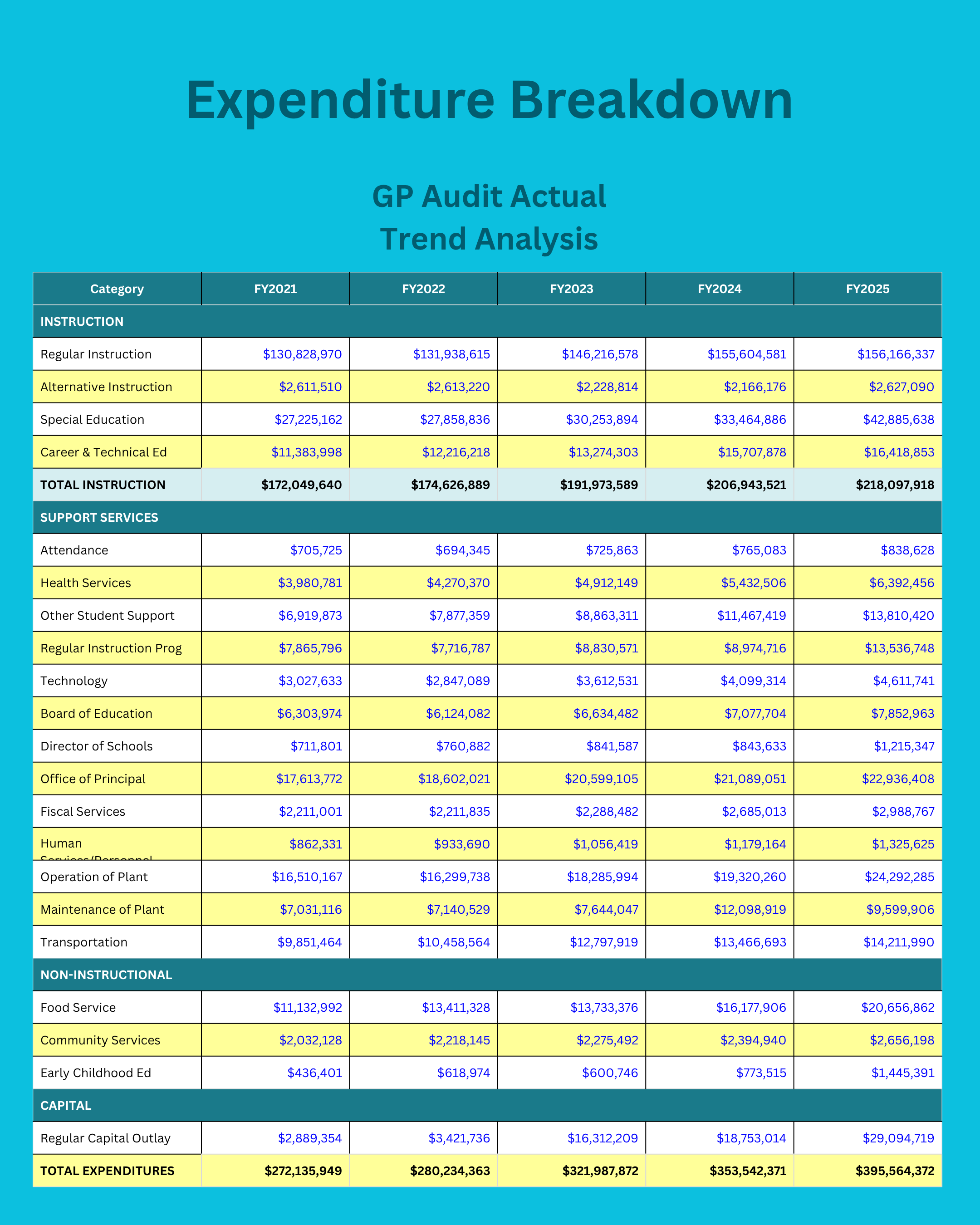
1. We’ve seen operating costs for our schools rise 7.8% annually since 2019 (excludes capital outlay). This is higher than the annual average inflation rate of 3.92% (avg. 2019-2025). Why? I'm assuming... but likely growth that requires more staff positions, SROs at each school (edit: school board member confirmed this was a cost outside of the school GP), and correctly correcting for staff wages. The proposed 2026/27 increase likely barely covers inflationary pressures
2. NEA released a report in April that ranked TN last in per pupil spending nationally (plus D.C.). When I think about if Sumner Schools has a revenue issue versus a spending issue, looking at where we fall compared to the state and the nation helps provide context. I do not have average daily attendance figures for Sumner, but the TN average is $12,147/pupil. The national average is $19,393/pupil. If we assume 30,700 total students that have great attendance and 2025 expenditures, Sumner is around $12,888/pupil. We likely rank higher in the state, but still well below the national average in spending.
3. As questioned in the meeting, our budgets do not include “replacement reserves” to proactively budget for future capital improvement or repair needs (roofs, HVAC, paving, bus replacements, etc.). Developers typically reserve $0.10 - $0.35 PSF annually for building needs only based on type of property. Transportation companies amortize between 3 to 7 years for all rolling stock (I am sure we have a longer useful life). The schools do cover the expense of a maintenance team that performs regular maintenances to get as much useful life as possible and keep our buildings functional, but the actual replacement cost has historically been outside of the expenditure figure.
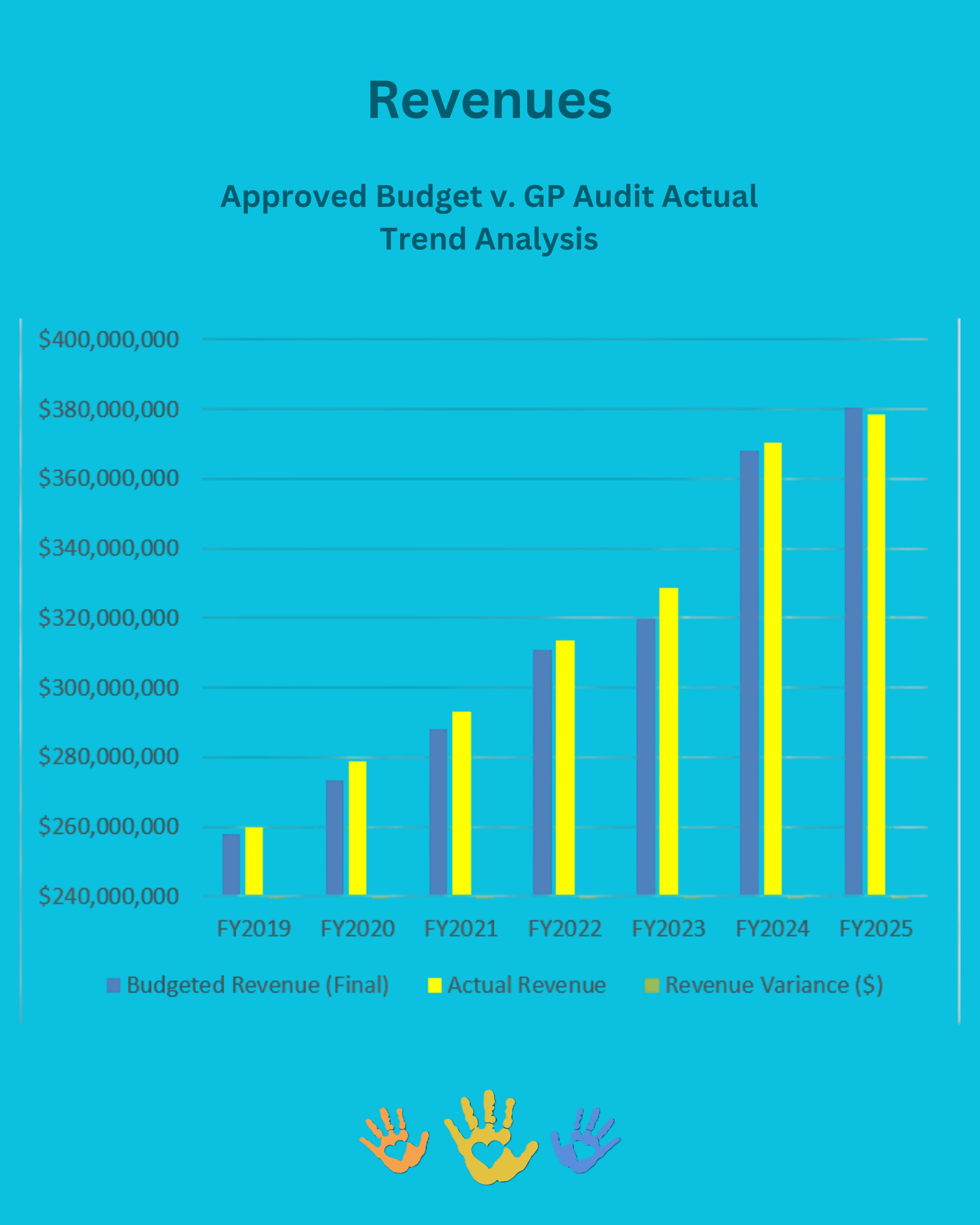
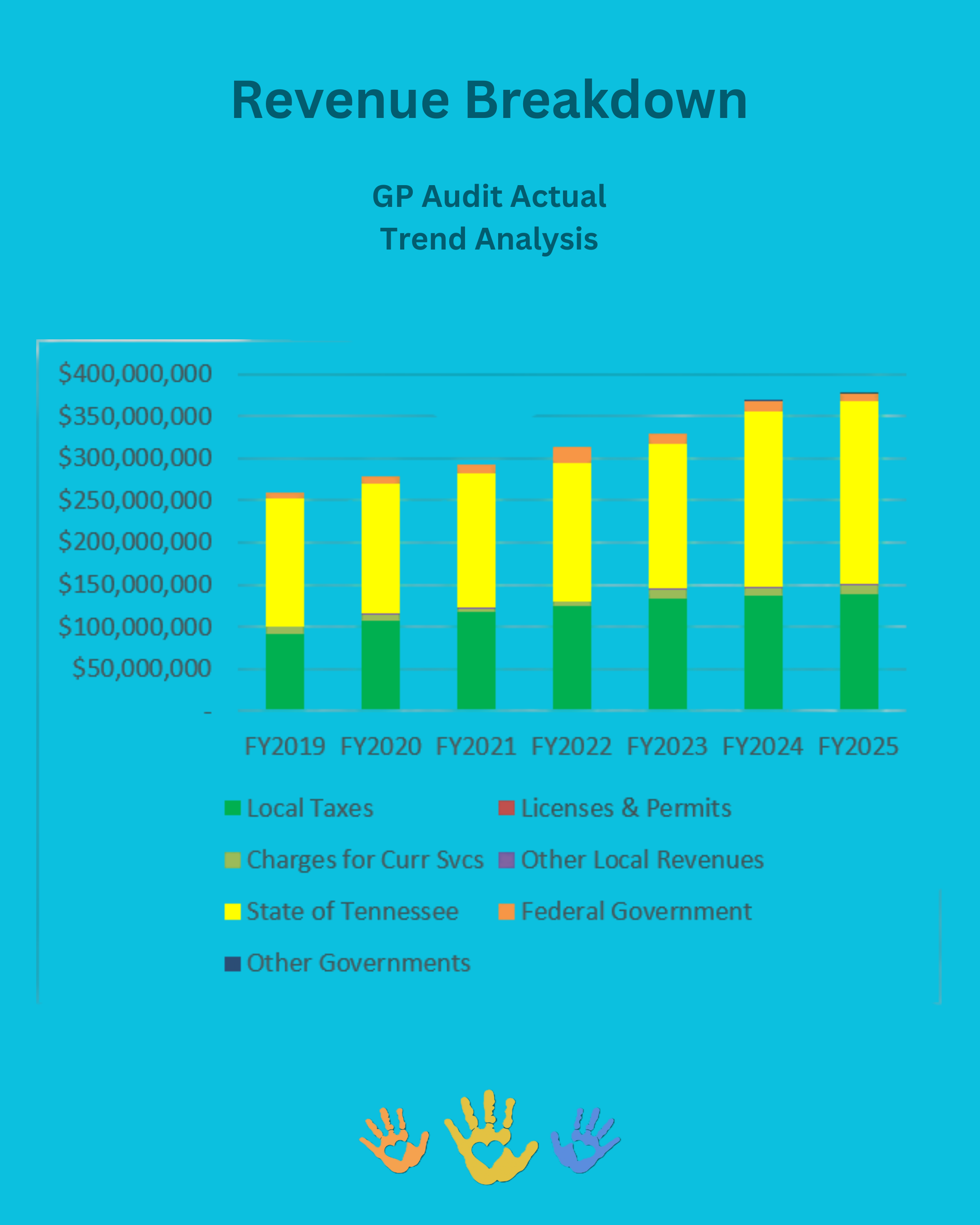
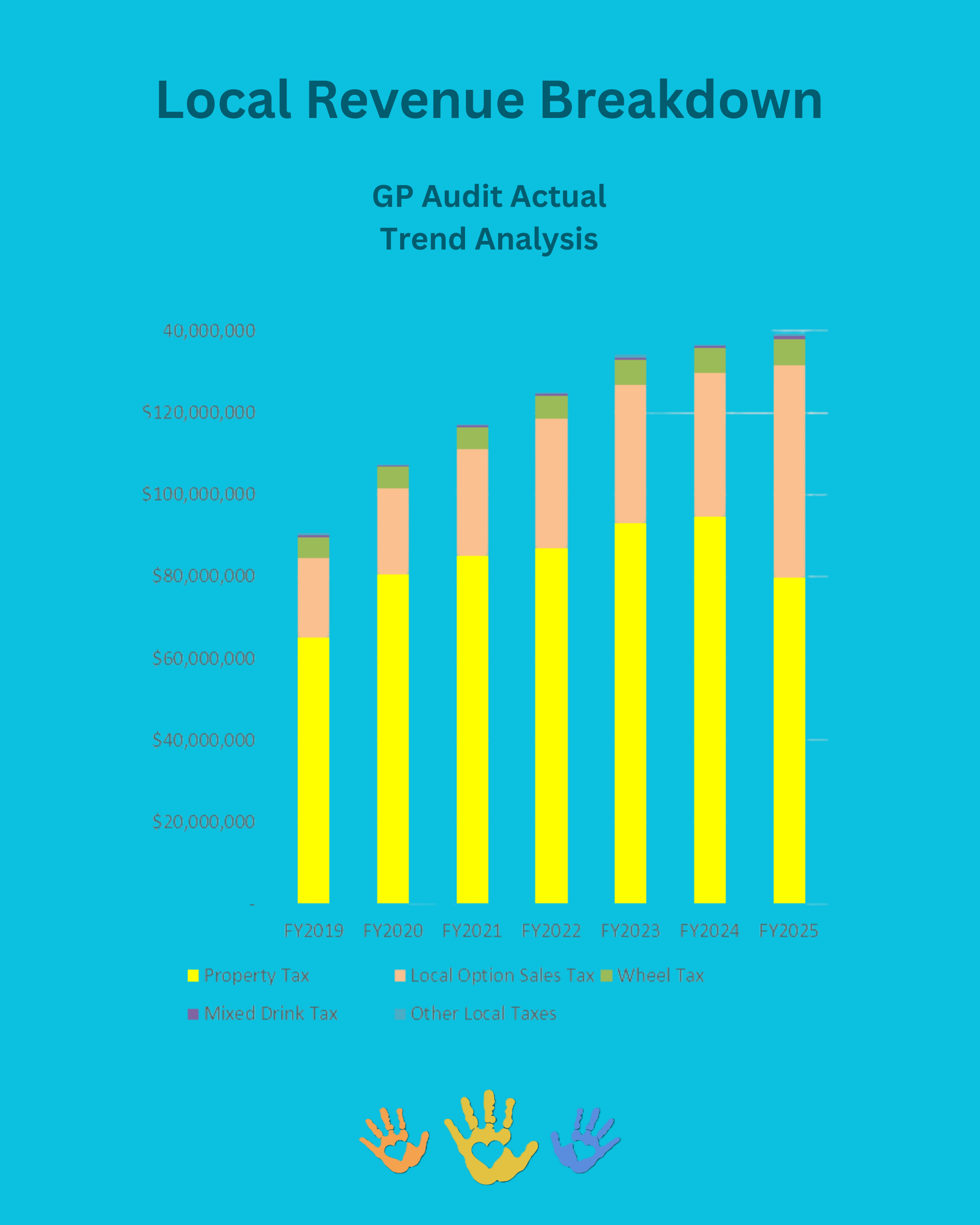
4. Inflation is likely to remain elevated in the near future, and so understanding how it is addressed in the budget is smart as requested by the current school board. Please note, there is an increasing reliance on local sales taxes to fund the county’s portion of ours schools. Inflation has an impact to both the revenue and expense side of the equation as higher costs of goods also means higher sales revenue (both locally and at the state level).
Questions/suggestions:
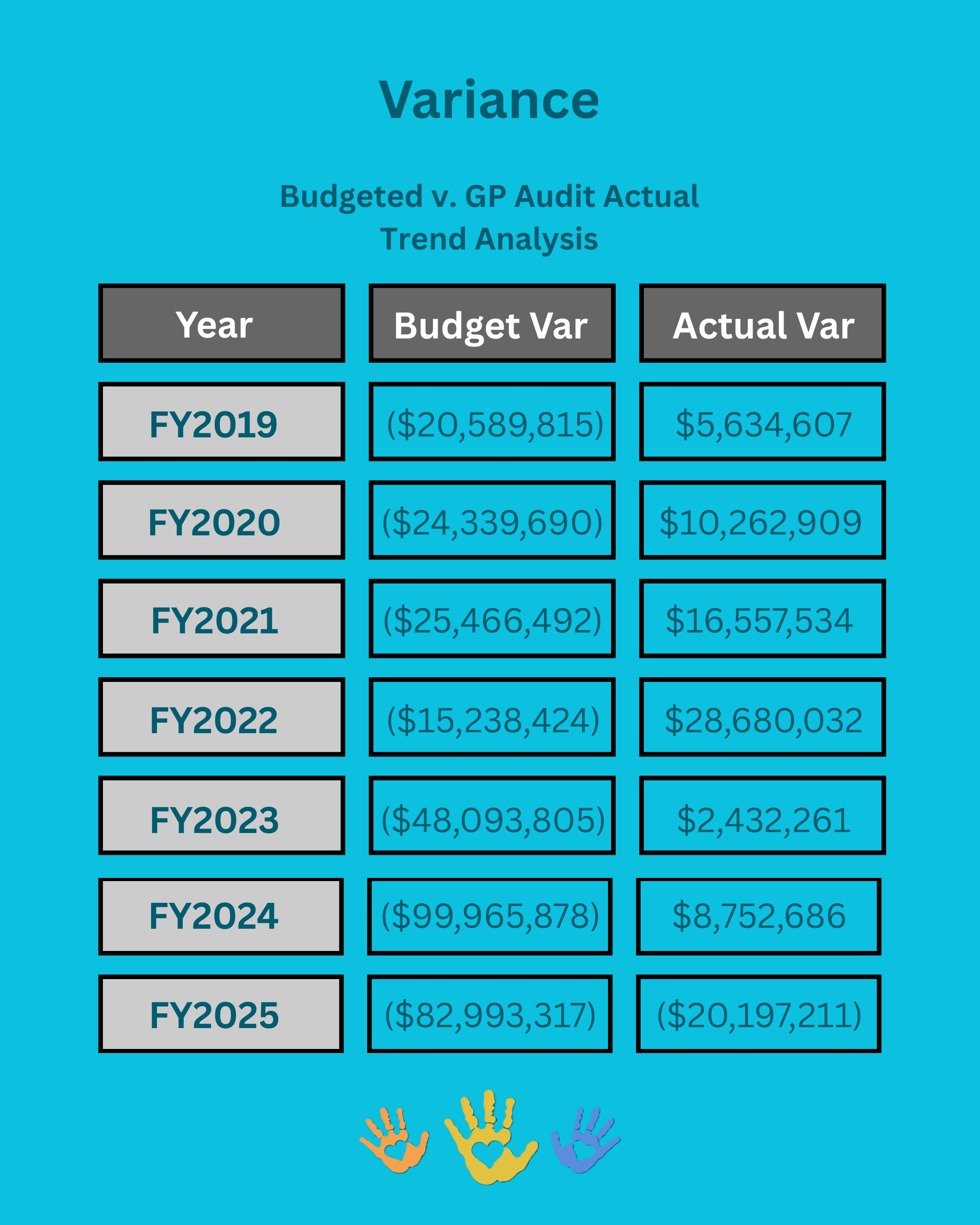
1. Prior budget meetings made it clear recurring expenses like teacher/staff salary increases cannot be justified by relying on the fund balance. That was logical, but this budget as presented appears to rely on $50 million of unassigned (and assigned/designated) reserves for operational expenses and $5+ million is assumed for capital expenditures. Greater clarity here would be appreciated as I understand what is requested versus was is actually spent has a very large variance historically
2. It was suggested the reason funds for ADA compliant playground equipment was not included is due to timing to bids for Station Camp as Gene Brown was smaller in comparison. Given this is a very delayed structural need, purposefully assigning a portion of the proposed $5 million in capex (at minimum $1 million to match 2025/26) would be appreciated to ensure that need continues to be a priority of the administration
3. On the idea of a new debt issuance. Working in the financial lending space, I would not hope for material interest rate decreases anytime soon. Bank lending rates tends to be based on a longer yields and the long-term impacts of the continued, elevated inflation are likely to keep interest rates higher for longer. It would be a prudent discussion to talk about a shorter-term solution for capex needs based on a mechanism outside of an additional debt issuance. The County Commission Budget Chair mentioned the idea of paying off debt sooner than planned. Given we will likely not see interest rates as low as previously obtained in our lifetime, I would suggest discussion of a revised strategy that didn't pay off this debt sooner and used those funds for capex instead.
Thanks for considering these comments!